Easy Monday
A sustainable meal service helping exhausted parents start the week easier — bridging the gap between intention and action in sustainable choices.
Project Manager
5 people
13 weeks
Concept development · Digital experience · UX/Service Design
Slack (communication), FigJam (collaboration), Asana (task management)
Double Diamond

Overview
Easy Monday is a service concept born from a design challenge around sustainability: how do we help close the gap between intention and action? As Project Manager, I led a 5-person team through a full Double Diamond process, from broad research to a validated concept, coordinating research streams, facilitating ideation, and ultimately steering the team through a major creative pivot that reshaped the final solution.

The Challenge
People want to act sustainably, but their intentions rarely translate into consistent behavior. Our brief was open: understand this intention-action gap, identify a target group most affected by it, and design a solution that closes that gap in a meaningful way.
1.Discover
Research approach
Given how broad the topic of sustainability was, I organized the research phase around individual, complementary research tracks so the team could cover more ground without duplicating effort. Each member contributed to a shared pool combining:
Key insight
Across the research, one pattern stood out: parents showed the biggest gap between intention and action.
Having children made people more aware of the future their kids would inherit, and more motivated to avoid contributing to environmental decline. But in practice, parents were:
- // Time- and energy-poor (fatigue was a constant theme)
- // Budget-constrained — sustainable products are often more expensive, and raising kids is already costly
“By the time I pick up my kids, my brain isn’t deciding anymore. It just goes for the easiest option. I’m on autopilot.”
“As a parent… it’s not sustainable to be sustainable.”
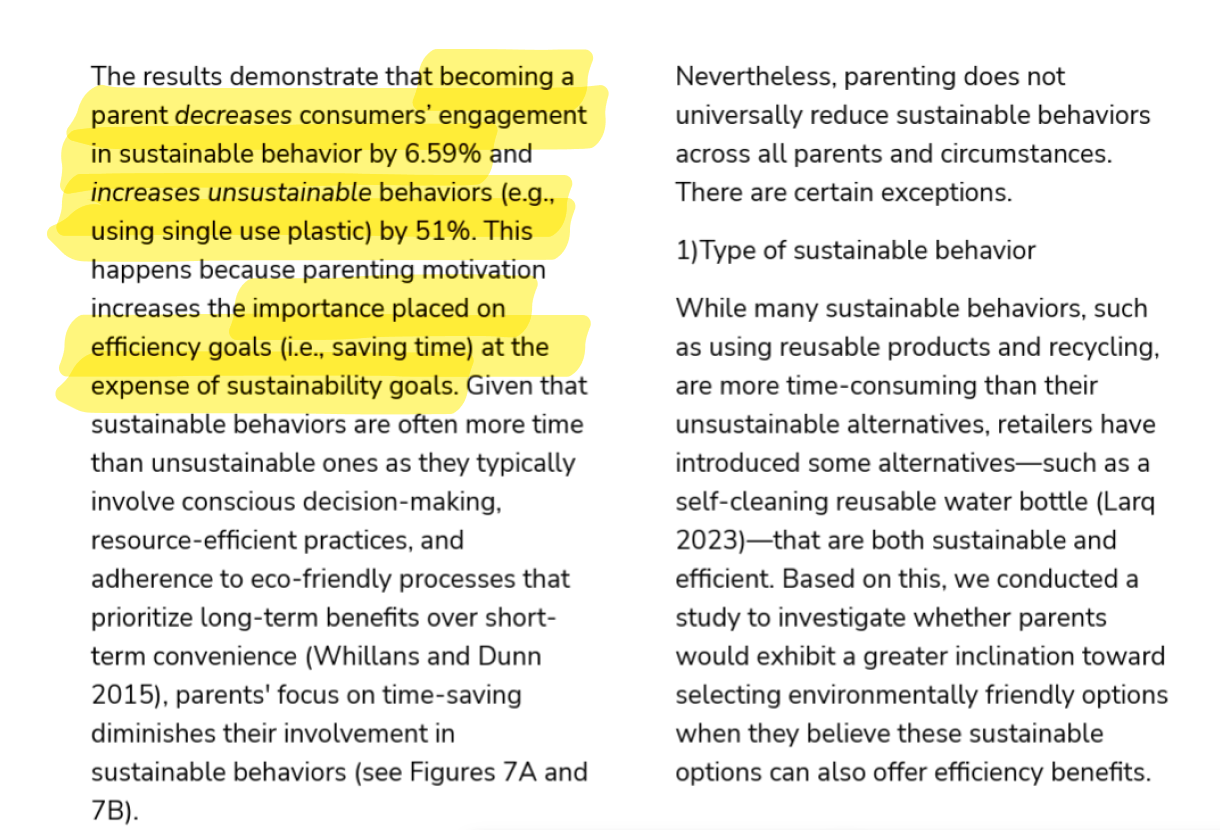
→ Decision: the team chose to focus the rest of the project on parents.
2.Define
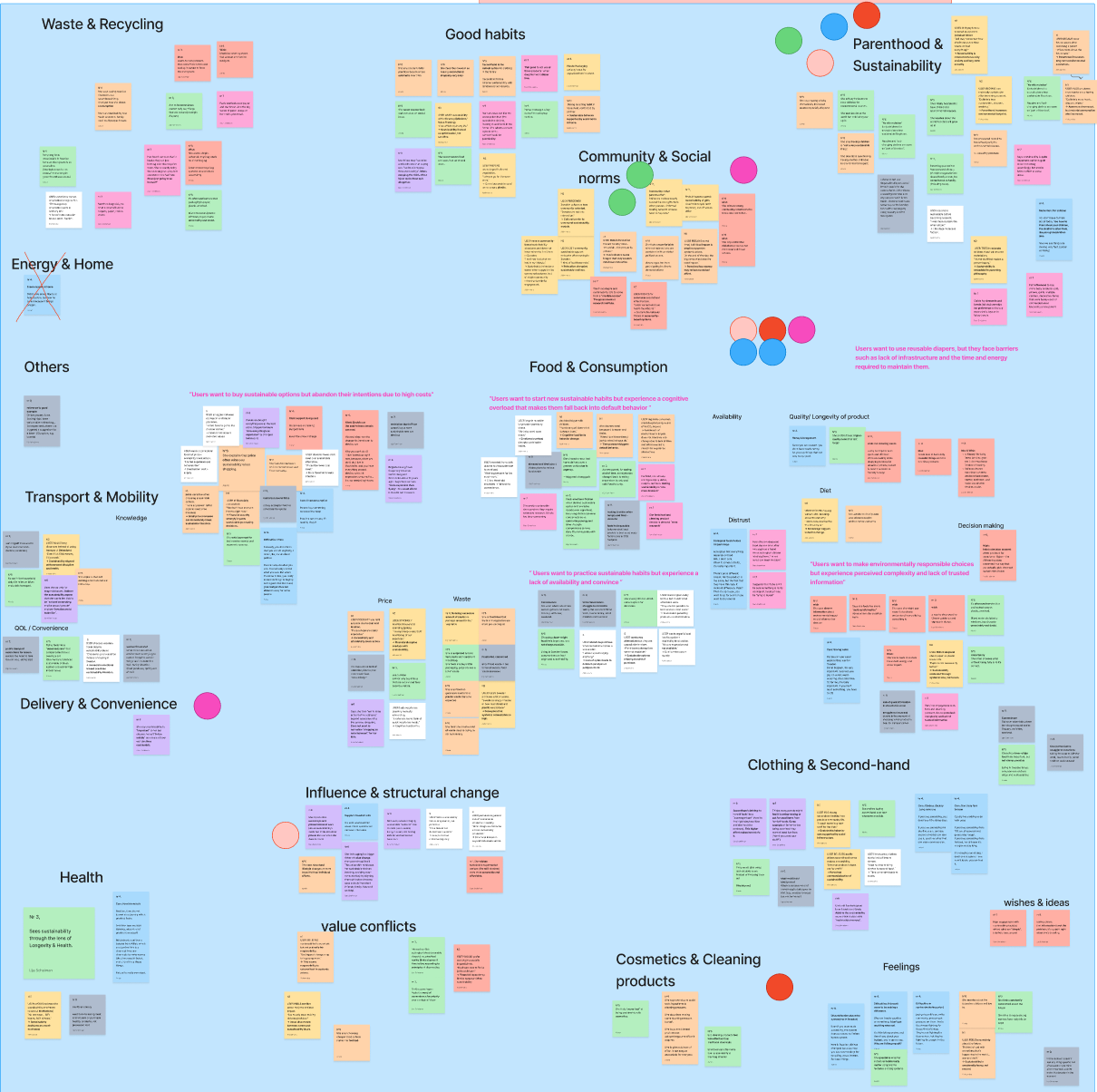
Affinity mapping
We synthesized all research findings using affinity mapping (workshop conducted in FigJam). Three recurring pain points emerged:
sustainable options cost more
sustainable products/stores were often far away
it was unclear how to judge the actual quality/sustainability of a product
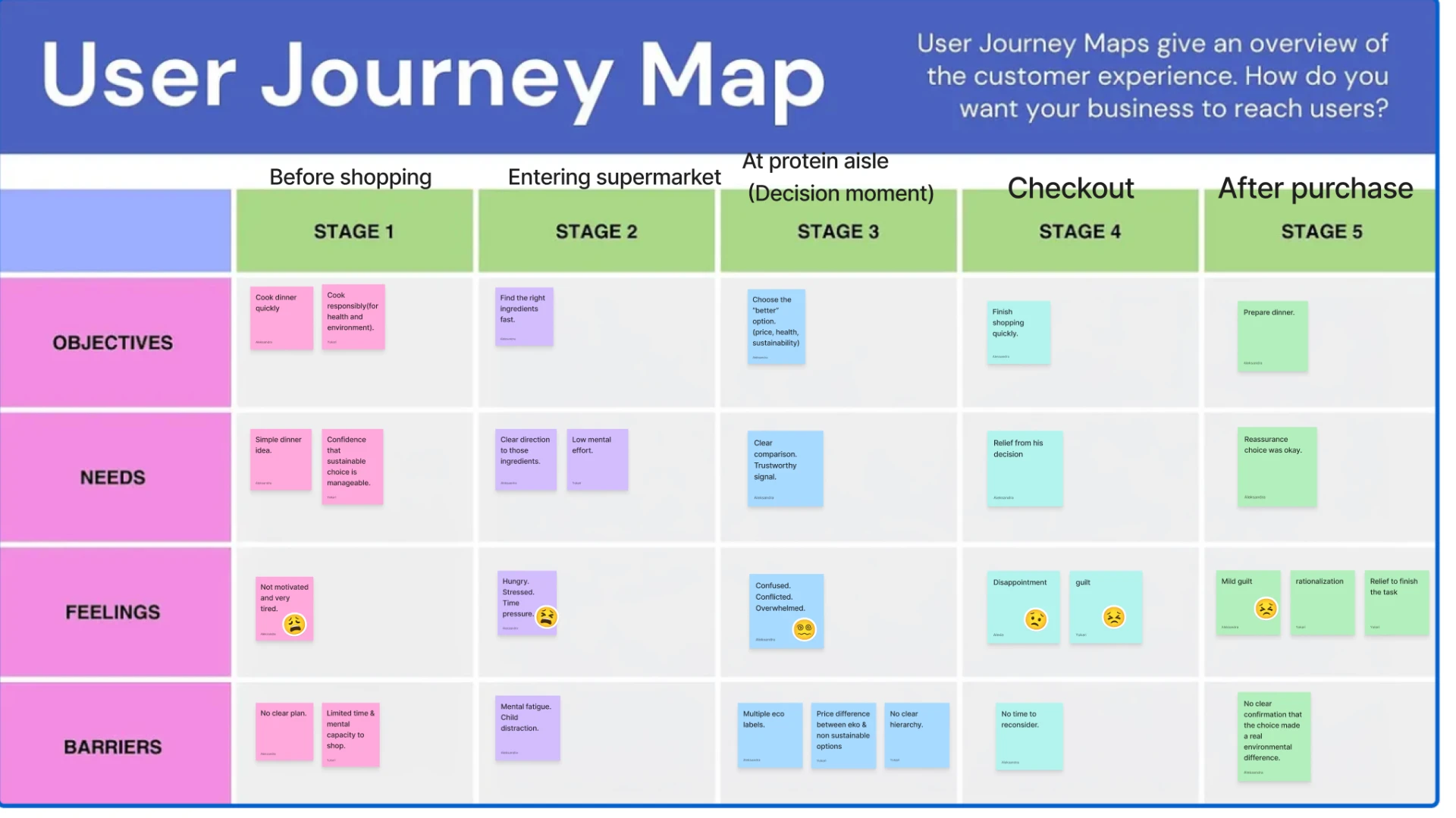
User journey mapping
We mapped a parent's journey to pinpoint where the pain was sharpest. The critical moment: parents were forced to make sustainable decisions on the spot, in the supermarket — already dealing with cognitive overload, end-of-day stress, and a tired child in tow.
This became our focal problem: how do we support parents at this exact moment of decision fatigue?
How Might We
We converged on three HMW questions to carry into ideation:
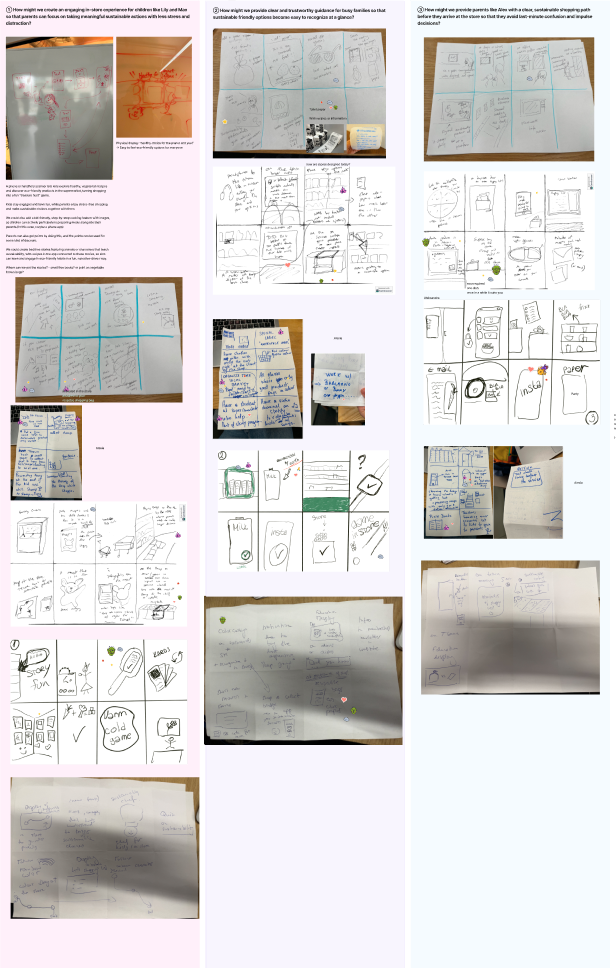
How might we create an engaging in-store experience for children like Lily and Max, so parents can focus on meaningful sustainable actions with less stress and distraction?
How might we provide clear and trustworthy guidance for busy families, so sustainable options become easy to recognize at a glance?
How might we provide parents like Alex with a clear, sustainable shopping path before they arrive at the store, so they avoid last-minute confusion and impulse decisions?
3.Develop
Ideation
We ran a Crazy 8s session — one round per HMW question — followed by dot voting to narrow the ideas down. Two strong concepts emerged from this process.
The challenge: finding a third concept
Our client expected three concepts to be presented. We had two solid ones — but the team struggled to generate a genuinely strong third direction.
The pivot moment
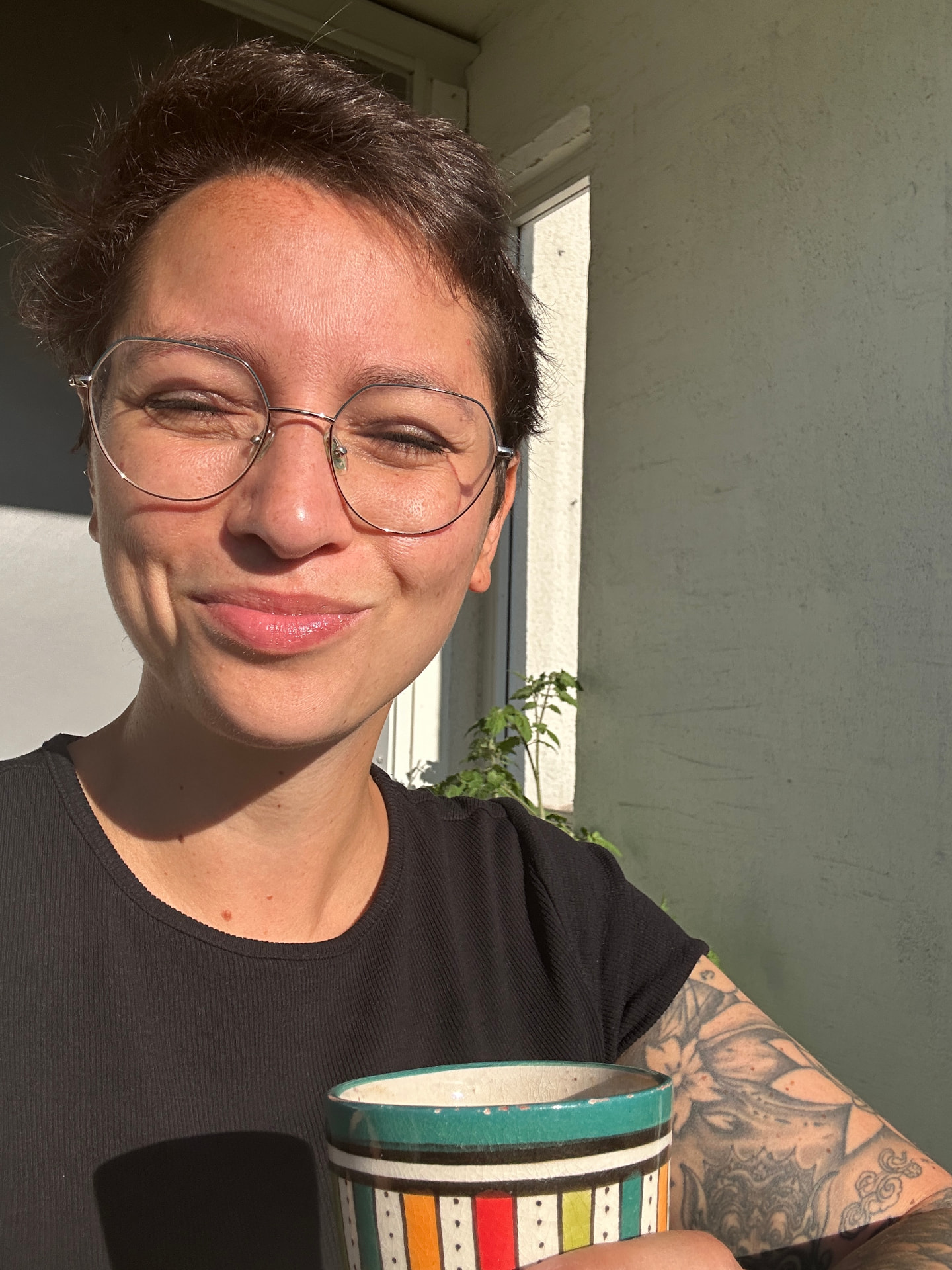
While the team was deep in this challenge, I found myself living the exact scenario we'd been designing for: picking up my daughter from daycare, exhausted, and needing to make a "sustainable" decision at the supermarket with a tired kid in tow.
“I don't need help deciding at the supermarket, I need to not go to the supermarket at all! And I really don't want to cook at all!”
That personal insight, using myself as a stand-in for our target user, shifted the whole direction of the third concept — from "support in-store" to "remove the store entirely."
From insight to concept → Iterating on the idea
The concept evolved through several rounds of brainstorming:
- 01
Food truck idea
A weekly food truck selling prepared, sustainable family meals at a fixed neighborhood spot and time — giving parents a predictable weekly touchpoint.
- 02
“Glassbilen” evolution
The food truck idea evolved into a mobile van concept selling family meals made from rescued food, connected to a pre-booking app.
→ Discarded: not financially viable at the required scale.
- 03
School kitchen idea
Cooking meals in school kitchens during off-hours (nights/weekends), storing food on-site so parents could collect it when picking up their kids.
→ Discarded: schools have strict security protocols around kitchen access.
- 04
Final concept — catering partnership
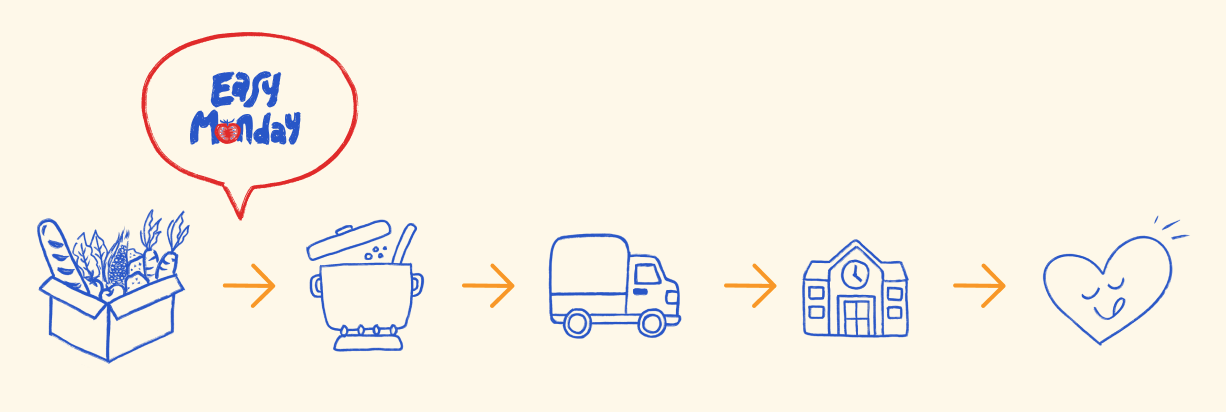
Partner with catering companies already collecting and cooking surplus food. They handle sourcing, cooking, and delivery; we provide fridges placed at school entrances for storage, and an app connecting parents to the service.
My Role as Project Manager
Created a project structure following the Double Diamond system, with clear deadlines
Structured the research phase to avoid duplicated effort across the team
Facilitated synthesis workshops (affinity mapping, journey mapping) in FigJam
Guided prioritization from 3 HMWs → ideation → 2 strong concepts
Recognized and acted on a personal insight to unblock the team when a third concept stalled
Kept the team aligned through several concept pivots, evaluating feasibility (budget, security constraints) at each stage
Managed task tracking and team communication via Asana and Slack throughout
Ran regular check-ins and feedback loops
Made sure everyone was aligned and comfortable in their role
Pushed the team's creativity
4.Deliver
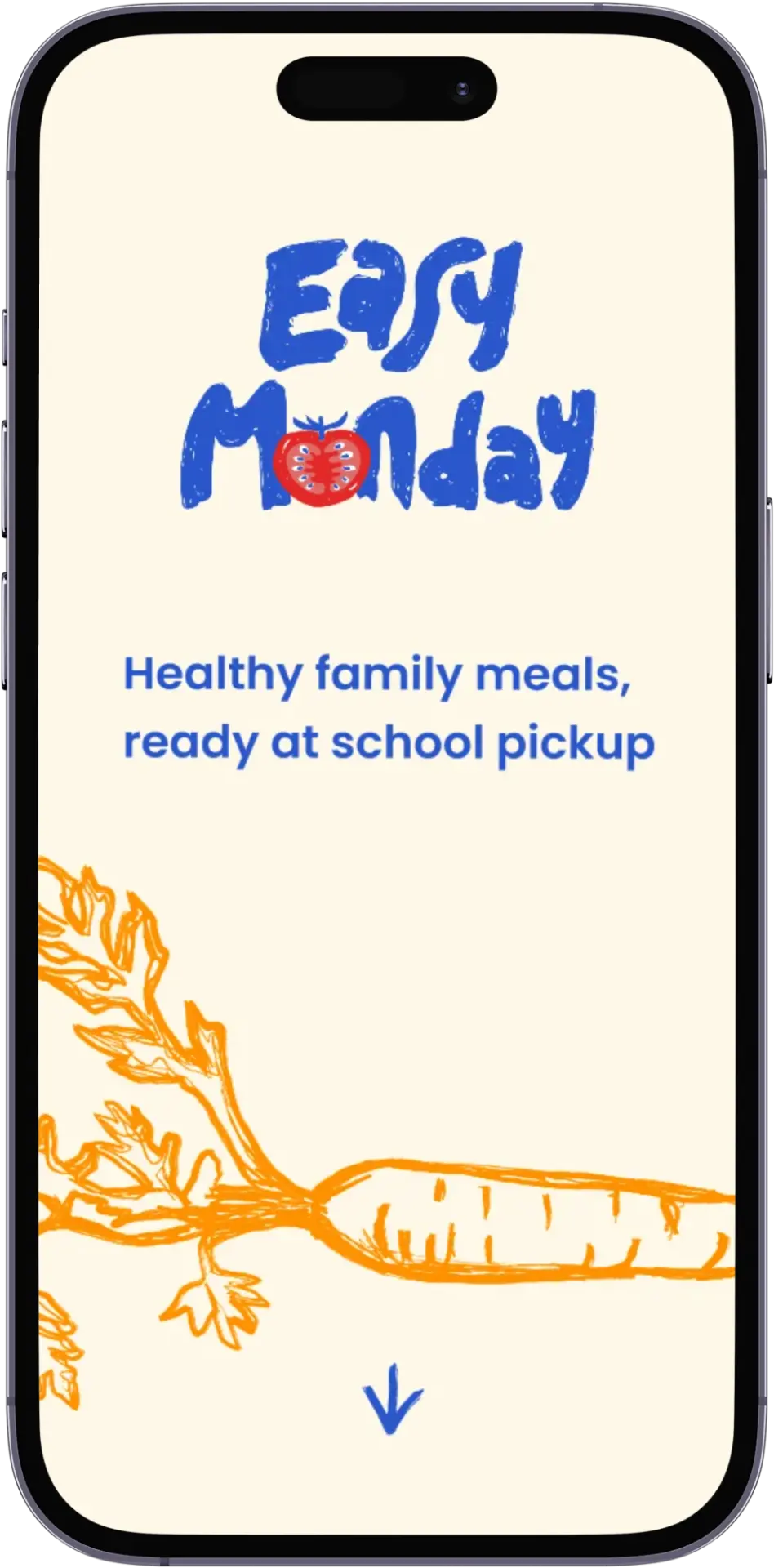
The app
Parents book their weekly meals in advance and pick them up from a fridge at the school entrance — with an access code, an order number, and a reminder they can add to their calendar.
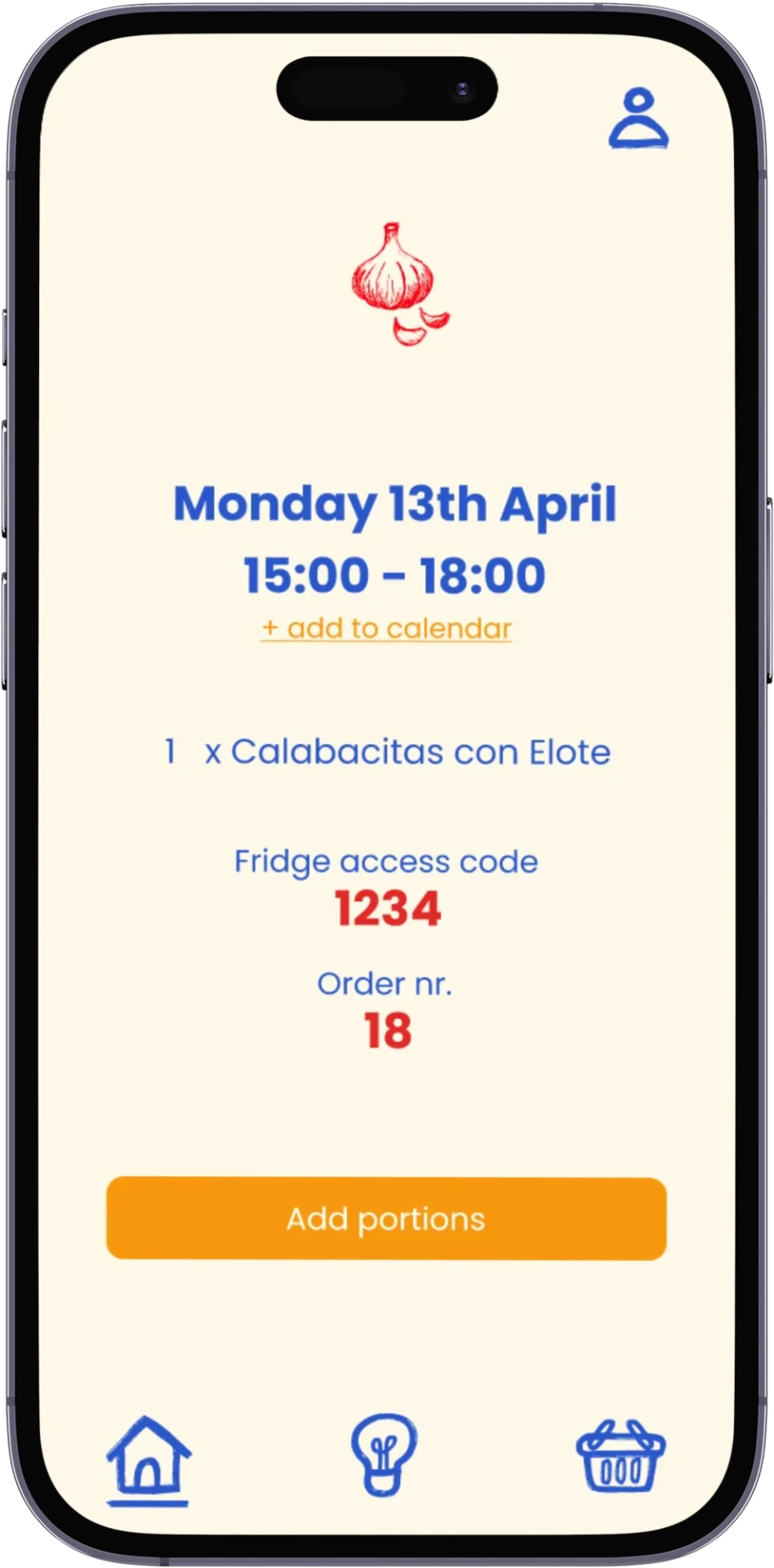

The final concept
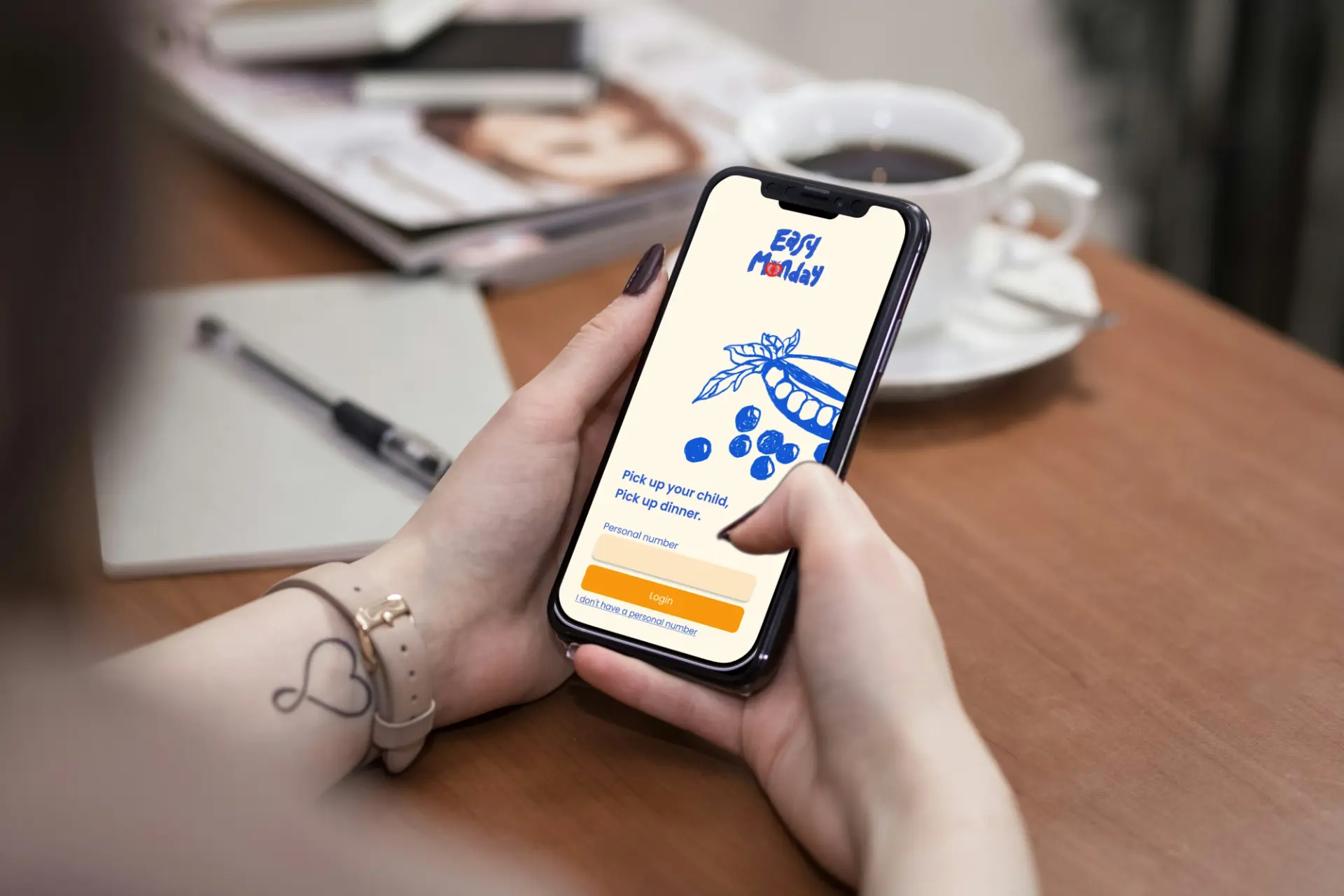
A weekly rhythm where Monday stops being the hardest day — rescued food, cooked by partners, waiting at the school gate.
Reflection
When you're deep in details, data, and information, it's easy to miss the brilliant solution sitting just outside the frame. This project taught the team the value of periodically zooming out and observing from the outside.
It also taught me the value of iterating on an idea again and again until you find the right one, and being willing to kill your darlings along the way. The food truck wasn't the answer. The glassbilen wasn't either. Neither was the school kitchen. Each version got us closer, but only by letting go of the ones before it.
More than anything, this project reminded me that team is everything. Having a team this committed, with real trust and the freedom to speak openly, made all the difference. Good communication is key: it removes barriers you didn't even realize were slowing you down, and lets you get so much further, together.